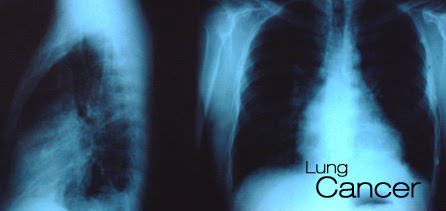
Adrenocortical Carcinoma is very rare disease. It affects only one or two people in one million population. Though being a very rare disease, Adrenocortical carcinoma is also a very aggressive and killer form of cancer. Adrenocortical Carcinoma forms in the outer layer of tissues of the adrenal gland ( a small organ on top of each kidney which generates steroid hormones, adrenaline and noradrenaline to control heart rate, blood pressure and other body function.) Mostly found in the cortex of the adrenal glands. It is also referred as adrenocortical cancer or the caner of adrenal glands. This rare tumor usually occurs to adults. Also, adrenocortical carcinoma has a bimodal distribution by age, with cases of affecting children of age under six and adults who are in the age group of 30-40. Adrenocortical carcinoma has often destroyed the adjacent tissues or invaded nearby tissues and even metastasized to the nearby or distant organs. Although adrenocortical carcinoma is curable at the very beginning stage, only 30% of these malignancies confined to the adrenal glands at the time of diagnosis. The signs and symptoms of adrenocortical carcinoma are very tricky to diagnosed. Its victim has hardly 20-35% of five-year survival chance.
Adrenocortical carcinoma may be linked to a  cancer syndrome that is transferred through heredity or from parents to offspring. Adrenocortical carcinoma affects both men and women.Adrenocortical carcinoma is characterized by production of hormones cortisol, estrogen or aldosterone. In woman this tumor often releases the hormones, which can lead to male characteristics, while on man this tumor develops hormones, which can lead to female characteristics.
Adrenocortical carcinoma is no easy cancer to diagnosed. Is symptoms are not common in all people. Its signs and symptoms differ from age to age. Most adrenocortical carcinoma are functional in children. Most common symptoms of this tumor in children is virilization (biological development in the sex difference, changes that makes a male body different from a female body). Another common symptom of adrenocortical carcinoma is the hormone disorder caused by high level of cortisol (hypercortisolism) in the blood which is referred as cushing's syndrome. Puberty occurring at uunusually early age, in medical term Precocious puberty is another symptoms that refers to Adrenocortical carcinoma in girls. Hormonal syndromes and cushing's syndrome are also the signs and symptoms seen in adults referring adrenocortical carcinoma. In fact, cushing's syndrome is the only common symptoms in both adult and childr en. The overproduction of the mineralocorticoid hormone aldosterone by the adrenal glands also referred as primary aldosteronism and feminization (development in an organism of physical or behavioral characteristics unique to the female of the species) are some other symptoms of adrenocortical carcinoma but this symptoms are found in less than 10% of total adrenocortical carcinoma cases. Another rare symptoms of adrenocortical carcinoma is pheochromocytoma-like hypersection of catecholamines. Non-functional tumors (about 40% authorities vary) usually present with abdominal or flank pain, or they may be asymptomatic and detected incidentally.
The very first symptoms to be searched is hormonal syndrome for the case of adrenocortical carcinoma. On further going, cushing's syndrome includes signs and symptoms like muscle wasting and weight gain, some purple lines in the abdomen, a fatty "buffalo hump" in the neck, a moon face, fragile skin and thinning. Virilism is most obvious in women and includes symptoms like excess facial and body hair, enlargement of the clitoris, deepening of the voice, coarsening of the facial features, cassation of mensuration, Acne, muscle weakness and confusion. Feminization is mostly s een in men referring to adrenocortical carcinoma which includes enlargement of breasts, decreased libido and a sexual dysfunction characterized by the inability to develop or maintain an erection of the penis sufficient for satisfactory sexual performance.
To diagnose the adrenocortical carcinoma there are various methods. Laboratory testings helps in confirming hormones syndrome. In finding cushing's syndrome, laboratory testing includes increased blood sugar and increased urine cortisol. Adrenal virilism is confirmed by finding excess amount of serum androstenedione and dehydroepiandrosterone. Finding of excess serum estrogen confirms feminization. Radiological study of abdomen like CT-scan and MRI are useful for identifying the exact place where tumor is, making it different from other disease like adrenocortical adenoma. It also helps in knowing the extent of invasion of the tumor into the surrounding organs and tissues. Regularly performed CT-scans and bone scans helps in determining the transfer of tumor towards lungs and bones. These studies are critical in determining whether or not the tumor can be surgically removed, the only potential and effective cure at this time. Adrenocortical carcinoma are often large, with a tan-yellow cut surface, and areas of hemorrhage and necrosis. On microscopic view, Adrenocortical carcinoma often seems as a sheet of atypical cells with some resemblance to the cell of normal adrenal cortex. The presence of invasion and mitotic activity helps in differentiating small cancer from adrenocortical carcinoma. There are several relatively rare variants of adrenocortical carcinoma: onocytic adrenal cortical carcinoma, myxoid adrenal cortical carcinoma, carcinosarcoma, Adenosquamous adrenocortical carcinoma, clear cell adrenal cortical carcinoma.
The only effective and curable treatment of adrenocortical carcinoma is the complete surgical excision of the infected tumor cells. This surgery excision can be performed even after the adrenocortical carcinoma cells has invaded into large blood vessels. This surgery lessens the effect of adrenocortical carcinoma and increases the survival years of the patient. However, even after a successful surgery, the five year survival chance of the patient only 50-60%. But its very unfortunate that a large number of victims' adrenocortical carcinoma has worsened so much that this surgery wont help them anymore. For the patient who aren't surgical candidates, there are treatments like Radiation therapy and radiofrequency ablation in order to reduce the severity of adrenocortical carcinoma. Chemotherapy is not very helpful in treatment of adrenocortical carcinoma. Medication is given to reduce production of cortisol which causes many of the symptoms.
Adrenocortical is rare but still a killer and aggressive disease and its hard to cure after it worsens. Its signs and symptoms are also very tricky to find. Still, this killer disease cause hasnt been found yet. So its hard to say what are its preventive measures. So lets be aware and let all people of this world know about this disease so they wont have to die in confusion from which cancer they are exactly affected with. If every people know about it, they can diagnose this disease and get treatment early and can save their life. Lets create Cancer awareness. Prevent cancer, Save yourself!!!!!
 cancer syndrome that is transferred through heredity or from parents to offspring. Adrenocortical carcinoma affects both men and women.Adrenocortical carcinoma is characterized by production of hormones cortisol, estrogen or aldosterone. In woman this tumor often releases the hormones, which can lead to male characteristics, while on man this tumor develops hormones, which can lead to female characteristics.
Adrenocortical carcinoma is no easy cancer to diagnosed. Is symptoms are not common in all people. Its signs and symptoms differ from age to age. Most adrenocortical carcinoma are functional in children. Most common symptoms of this tumor in children is virilization (biological development in the sex difference, changes that makes a male body different from a female body). Another common symptom of adrenocortical carcinoma is the hormone disorder caused by high level of cortisol (hypercortisolism) in the blood which is referred as cushing's syndrome. Puberty occurring at uunusually early age, in medical term Precocious puberty is another symptoms that refers to Adrenocortical carcinoma in girls. Hormonal syndromes and cushing's syndrome are also the signs and symptoms seen in adults referring adrenocortical carcinoma. In fact, cushing's syndrome is the only common symptoms in both adult and childr
 en. The overproduction of the mineralocorticoid hormone aldosterone by the adrenal glands also referred as primary aldosteronism and feminization (development in an organism of physical or behavioral characteristics unique to the female of the species) are some other symptoms of adrenocortical carcinoma but this symptoms are found in less than 10% of total adrenocortical carcinoma cases. Another rare symptoms of adrenocortical carcinoma is pheochromocytoma-like hypersection of catecholamines. Non-functional tumors (about 40% authorities vary) usually present with abdominal or flank pain, or they may be asymptomatic and detected incidentally.
The very first symptoms to be searched is hormonal syndrome for the case of adrenocortical carcinoma. On further going, cushing's syndrome includes signs and symptoms like muscle wasting and weight gain, some purple lines in the abdomen, a fatty "buffalo hump" in the neck, a moon face, fragile skin and thinning. Virilism is most obvious in women and includes symptoms like excess facial and body hair, enlargement of the clitoris, deepening of the voice, coarsening of the facial features, cassation of mensuration, Acne, muscle weakness and confusion. Feminization is mostly s
 een in men referring to adrenocortical carcinoma which includes enlargement of breasts, decreased libido and a sexual dysfunction characterized by the inability to develop or maintain an erection of the penis sufficient for satisfactory sexual performance.
To diagnose the adrenocortical carcinoma there are various methods. Laboratory testings helps in confirming hormones syndrome. In finding cushing's syndrome, laboratory testing includes increased blood sugar and increased urine cortisol. Adrenal virilism is confirmed by finding excess amount of serum androstenedione and dehydroepiandrosterone. Finding of excess serum estrogen confirms feminization. Radiological study of abdomen like CT-scan and MRI are useful for identifying the exact place where tumor is, making it different from other disease like adrenocortical adenoma. It also helps in knowing the extent of invasion of the tumor into the surrounding organs and tissues. Regularly performed CT-scans and bone scans helps in determining the transfer of tumor towards lungs and bones. These studies are critical in determining whether or not the tumor can be surgically removed, the only potential and effective cure at this time. Adrenocortical carcinoma are often large, with a tan-yellow cut surface, and areas of hemorrhage and necrosis. On microscopic view, Adrenocortical carcinoma often seems as a sheet of atypical cells with some resemblance to the cell of normal adrenal cortex. The presence of invasion and mitotic activity helps in differentiating small cancer from adrenocortical carcinoma. There are several relatively rare variants of adrenocortical carcinoma: onocytic adrenal cortical carcinoma, myxoid adrenal cortical carcinoma, carcinosarcoma, Adenosquamous adrenocortical carcinoma, clear cell adrenal cortical carcinoma.
The only effective and curable treatment of adrenocortical carcinoma is the complete surgical excision of the infected tumor cells. This surgery excision can be performed even after the adrenocortical carcinoma cells has invaded into large blood vessels. This surgery lessens the effect of adrenocortical carcinoma and increases the survival years of the patient. However, even after a successful surgery, the five year survival chance of the patient only 50-60%. But its very unfortunate that
 a large number of victims' adrenocortical carcinoma has worsened so much that this surgery wont help them anymore. For the patient who aren't surgical candidates, there are treatments like Radiation therapy and radiofrequency ablation in order to reduce the severity of adrenocortical carcinoma. Chemotherapy is not very helpful in treatment of adrenocortical carcinoma. Medication is given to reduce production of cortisol which causes many of the symptoms.
Adrenocortical is rare but still a killer and aggressive disease and its hard to cure after it worsens. Its
 signs and symptoms are also very tricky to find. Still, this killer disease cause hasnt been found yet. So its hard to say what are its preventive measures. So lets be aware and let all people of this world know about this disease so they wont have to die in confusion from which cancer they are exactly affected with. If every people know about it, they can diagnose this disease and get treatment early and can save their life. Lets create Cancer awareness. Prevent cancer, Save yourself!!!!!