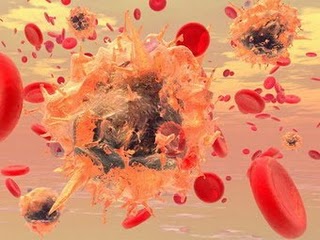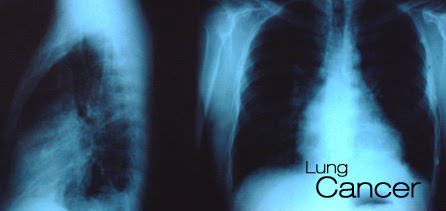
Cancer is a widely spread disease. Also, there are many forms and types of it. Survey shows that in every eight deaths, one death is because of Cancer. Although it itself is one of the most deadliest disease in world, but within it, there is also the most deadliest type of it. All metastatic cancer is considered deadliest. Metastatic cancer is a form of cancer that has replicated itself and it sent out microscopic versions of itself all over the body via the blood system or lymphatic system. But According to the Newsweek.com, Lung cancer is considered the most deadliest cancer of all as it kills more people than any other type of malignancy... Also, most amazing fact is, it is found that some of the victims of this deadliest form of cancer actually never smoked. According to The National Cancer Institute, Lung cancer is responsible for 1.3 million deaths world wide, every year. The victim of this deadliest form of cancer survival chance is very low. Even with treatment, at most, its victim five year survival rate is only 14%.
Lung Cancer, the most deadliest form of cancer is a disease where cell grow in lung's tissue at uncontrolled rate. And further leads to invasion of other adjacent tissues and infi
 ltration beyond the lungs. These infected cancer cell travel via blood and lymph. And these all results hard to breathe or shortness of breathe, regular coughing and sometimes even coughing of blood. The most common cause of lung cancer is tobacco smoking. According to a survey, 90% of the lung cancer cases are the results of tobacco smoking. On the basis of treatment system, the main two division of lung cancer are:-
1. Small cell lung Carcinoma (SCLC)
Small cell lung carcinoma (SCLC) is not a very common disease. SCLC was recognized as a distinct form of lung cancer as early as 1926. Most small cell lung cancer is the oat cell type. Also, in the past, small cell lung cancer was also referred as "oat cell carcinoma" because, when examined under a microscope, the lung cancer cell looked like grains of oats. Approximately 15 out of 100 victims of lung cancer, are the victim of small cell lung cancer. In the past, the victim of SCLC was 20 out of 100. Men are more victim of small cell lung cancer rather than women. Almost all cases pf SCLC are because of excessive tobacco or cigarette smoking. It is very rare in people who doesn't smoke. Small cell lung cancer has a grows very quickly and also it is a very aggressive type of lung cancer. Usually, small cell lung cancer starts in bronchi (the breathing tubes) in the center of our chest. And they grow very quickly and create large
 tumors. And these tumors even spread to other parts of body like brain, liver and bone destroying adjacent tissues. At very initial stage, it shows good response with chemotherapy and radiation. When further divided, SCLC has three more division:-
* Small cell carcinoma (oat cell cancer)
* Mixed small cell/large cell carcinoma
* combined small cell carcinoma
2. Non-small cell lung carcinoma (NSCLC)
Non-small cell lung carcinoma (NSCLC) is the very common type of lung cancer. IT also grows fast but when it comes in the rate of speed of spreading, it spread more slowly than Small cell lung cancer. There are 80% of people suffering from NSCLC out of total victims of lung cancer. There are three types of NSCLC and they are
* Squamous cell (epidermoid) carcinoma: It accounts for 25% of NSCLC. It usually starts near central bronchus. It is found in the center of the lung by the bronchus. Squamous cell cancer grow rather slow than any other type of cancer. It usually occurs in chain smokers.
* Adenocarcinoma: Adenocarcinoma are found in the outer part of lu
 ng. It accounts for 40% of NSCLC cases. Most victim of NSCLC are the smokers but it is also found that it also affects people who don't smoke. It has a sub type and is found especially in female non-smokers.
* Large cell carcinoma: Large cell carcinoma can occur in any part of lung. It is the most fastest growing and spreading than other two. It is a very aggressive form of NSCLC. It accounts for less than 10% of NSCLC cases. Though it is rare, it is the deadliest than other two.
Some other type of Lung cancer are Sarcomatoid Carcinoma, Salivary gland tumors, Carcinoid tumor and adenosquamous carcinoma.
The most common signs and symptoms of this deadliest form of cancer are shortness of breath, coughing and even coughing of blood, uncertain coughing pattern, pain in chest and abdomen, loosing weight without trying, fatigue, loss of appetite, wheezing, Hoarseness or changing voice, swallowing difficulty, Nail problems, joint pain and face swelling.
The most commo
 n cause of lung cancer is smoking. Smoking, especially cigarettes and tobacco are the main factors that contribute to lung cancer. Radon Gas is another factor responsible for causing lung cancer. Radon exposure is the second main factor of causing lung cancer after smoking. Asbestos is also responsible for causing variety of lung cancer. There is a synergistic effect between tobacco smoking and asbestos in the formation of lung cancer. Asbestos accounts for 2-3 % of lung cancer deaths in UK. One other factor for causing lung cancer is Virus.
The first step of diagnosis of this deadliest cancer is by performing a chest radio graph. But if the suspicion is very high then CT-Scan or bronchoscopy are helpful in diagnosis of lung cancer. Some treatment of lung cancer are Surgery, Chemotherapy, Adjuvent chemotherapy for NSCLC, Radiotherapy, Interventional radiology and targeted therapy.
Better than treatment, prevention is the most effective way of fighting lung cancer. Though many countries has banned carcinogen, there is still a lot of people smoking tobacco. Stopping tobacco smoking is one of the most effective way of preventing lung cancer. And for this, the cigarettes and tobacco manufacturing company should be banned. But its not an easy thing to do because for poor nations like Nepal, Cigarette and tobacco manufacture is one of the major source of national income.